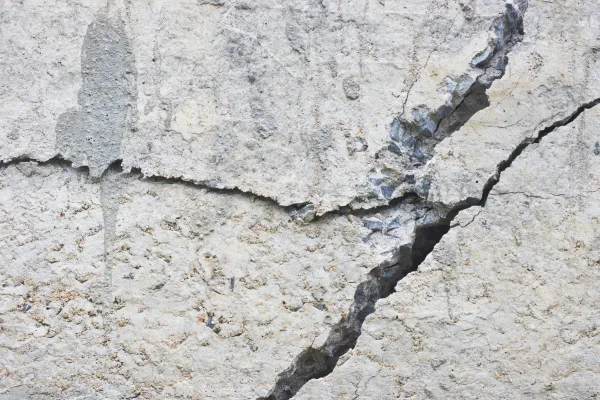
How to Prevent Concrete Cracking in Chandler, AZ's Extreme Climate
We get the same call a lot in Chandler: "My driveway is only three years old and it's already cracking is that normal?" Sometimes the answer is yes, a little. Often the answer is no, and it points back to how the slab was poured in the first place. Chandler's climate is brutal on concrete in ways that a lot of homeowners and honestly, a lot of contractors from out of state don't fully account for. Triple-digit heat, clay soil that swells and shrinks like a sponge, and monsoon storms that dump an inch of rain in thirty minutes all put real stress on a slab. If you want to prevent concrete cracking in Chandler, it comes down to a handful of things done right at the install, plus a little upkeep after. Here's what actually matters.
Why Concrete Cracks in the First Place
Strip it down and concrete cracking usually traces back to one of a few culprits: the surface dried out too fast while curing, there wasn't enough reinforcement in the slab, the sub-base wasn't compacted properly, the slab had nowhere planned to expand and contract, or the ground underneath it shifted. Contractors in most states only have to worry about one or two of these at a time. Here in Chandler, all five are working against your concrete at once. That's really the whole story behind why so many driveways and patios in this town start cracking well before they should.
Chandler's Climate Is the Real Culprit
The Heat Doesn't Wait for Concrete to Cure
Summers here routinely push past 110°F, and the surface of a slab sitting in direct sun runs even hotter. That's a problem in the first day or two after a pour, when the concrete is at its most vulnerable. Fresh concrete needs to hold onto moisture to cure and gain strength but in our dry heat, water can evaporate off the surface faster than the concrete underneath can properly hydrate. The result is plastic shrinkage cracking: those thin, spiderweb cracks you sometimes see show up within hours of a pour, before the concrete has even fully set. Any crew pouring in Chandler without adjusting for this evaporation retarders, wet curing blankets, curing compound, pouring at 5 a.m. instead of noon is starting the slab off on the wrong foot.
Clay Soil Moves More Than People Realize
A lot of Chandler sits on soil with real clay content, and clay does something concrete doesn't like at all: it swells when it gets wet and shrinks when it dries out. That push and pull happens under your driveway or patio slab constantly, season after season. If the sub-base underneath wasn't compacted properly to buffer that movement, the soil ends up transferring its stress straight into the concrete above it. This is, hands down, one of the biggest reasons we see structural cracking in this area.
Monsoons Hit Hard and Fast
July through September, Chandler gets hammered with monsoon storms that can drop a serious amount of rain in a short window. All that sudden moisture makes clay soil swell fast, and the temperature can drop 20-30 degrees in a matter of minutes during a good storm which adds thermal stress right on top of the soil movement. If drainage wasn't planned properly, water pooling against the slab or working its way in through unsealed cracks only speeds up the damage.
The Sun Never Really Lets Up
Chandler sees close to 300 sunny days a year, and that constant UV exposure breaks down unsealed concrete over time, making the surface more brittle and prone to cracking or spalling. Sealing the slab periodically is a small job that saves a lot of headache down the road.
Show Image
What Actually Prevents Cracking: 6 Things We Never Skip
1. Compact the Sub-Base Don't Rush It
A properly compacted crushed stone sub-base, usually 4 to 6 inches, is your best defense against Chandler's clay soil. It gives the ground somewhere to move without dragging the slab along with it. Honestly, if you only remember one thing from this article, make it this one a rushed or skipped sub-base is the number one reason we get called out to look at cracked driveways and patios in this area.
2. Don't Pour a 4-Inch Slab Here
The national standard is 4 inches, but that's not really built with Arizona in mind. We recommend 5 inches minimum for a residential driveway in Chandler, and 6 if you're parking anything heavier than a couple of cars back there. That extra inch matters more than people expect when the ground underneath is shifting on you twice a year.
3. Put Rebar or Wire Mesh In There
Reinforcement won't stop concrete from ever cracking nothing really does that completely. What it does is hold everything together if a crack does form, so it stays a hairline instead of turning into a real problem. Rebar (usually #3 or #4, spaced about 18 inches) or welded wire mesh should just be part of the job, not something you have to ask for.
4. Cut Control Joints in the Right Spots
Concrete's going to expand and contract with our temperature swings whether you like it or not. Control joints just give it a place to do that on purpose a clean, predictable line instead of a random crack across your new patio. A good rule of thumb is spacing joints at roughly 24 to 30 times the slab's thickness, and cutting them early enough that they actually beat the crack to the punch.
5. Cure It Like You're Fighting the Heat, Because You Are
Standard curing just doesn't cut it in a Chandler summer. We're talking evaporation retarders, wet curing blankets, curing compound sometimes all three depending on the day. This step is honestly one of the biggest reasons one driveway lasts thirty years and another one down the street is falling apart in three.
6. Seal It and Actually Check On It
A penetrating sealer every 2 to 3 years goes a long way against UV damage and water getting where it shouldn't. Walk your slab once a year and take a look hairline cracks under 1/8 inch aren't anything to worry about, but anything wider, or anything with a lip or step in it, is worth having someone take a look at. And keep an eye on your joints; once the sealant in there cracks or shrinks, monsoon water finds its way underneath pretty fast.
A Few Things Specific to Chandler
Chandler's grown fast, and that means you've got older neighborhoods sitting on soil that's had decades to settle, right next to brand-new developments where the sub-base work is only as good as whoever poured it. A lot of Chandler HOAs also have their own rules about finishes, so it's worth checking before you commit to anything. Whether you're closer to downtown, out in Ocotillo, or in one of the newer pockets near the 202, the fundamentals don't change sub-base and curing matter just as much as whatever finish you pick.
We're Veteran-Owned, Licensed, and We Know This Climate
Ares and Eros Contracting is a Service-Disabled Veteran-Owned Small Business, licensed and insured under ROC363389. We treat every pour the way we were trained to treat everything else with attention to detail and no shortcuts, because in this climate a shortcut on sub-base prep or curing isn't a small thing. It's a callback waiting to happen in two or three years.
If you've got a driveway, patio, or sidewalk pour coming up, check out our concrete driveway installation services, built specifically to handle what Chandler throws at it. You can also see more of our local work on our Chandler concrete contractor page.
Frequenly Asked Questions (FAQs)
Why is my new concrete already cracking?
Most early cracks are caused by plastic shrinkage, which happens when the surface loses moisture faster than the concrete underneath can replace it. Arizona’s heat, dry air, sun, and wind can speed this up dramatically, especially if the crew doesn’t adjust their pouring and curing methods for the conditions. Small hairline cracks aren’t always a structural concern, but wider or growing cracks may be worth having inspected.
Is it normal for concrete to crack at all?
Yes, some cracking in concrete is normal because it naturally shrinks as it cures and expands and contracts with temperature changes. The goal of a quality installation isn’t necessarily to prevent every crack, but to control where they occur. Properly placed control joints create planned weak points so cracks are more likely to form along those lines instead of randomly across your driveway or slab.
How thick should my driveway be to hold up here?
For a typical residential driveway in Arizona, 5 inches is a good minimum, while 6 inches may be better for heavier vehicles, trucks, trailers, or RVs. Thickness alone isn’t enough, though—the strength and lifespan of the driveway also depend heavily on proper soil preparation, compaction, reinforcement, drainage, and curing. A thicker slab can still crack if the ground underneath it isn’t properly prepared.
Does monsoon rain actually cause concrete cracking?
Monsoon rain can contribute to cracking, but the bigger issue is usually what the water does to the soil underneath the concrete. Clay-rich soil can swell quickly when it absorbs heavy rainfall, creating uneven movement and pressure beneath the slab. Add the sudden temperature drop that often comes with a summer storm, and an existing weak spot can become a visible crack, which is why good drainage and proper base preparation are especially important in Arizona.
About the Author: This article was written by Al Baq, owner of Ares & Eros Contracting. A U.S. military veteran, Al brings the same discipline, planning, and mission-first mindset from his years of service to every foundation poured across Arizona.
