
Gain More Knowledge About Concrete Construction
Informative blog articles covering important topics, industry trends, and expert insights in concrete construction.
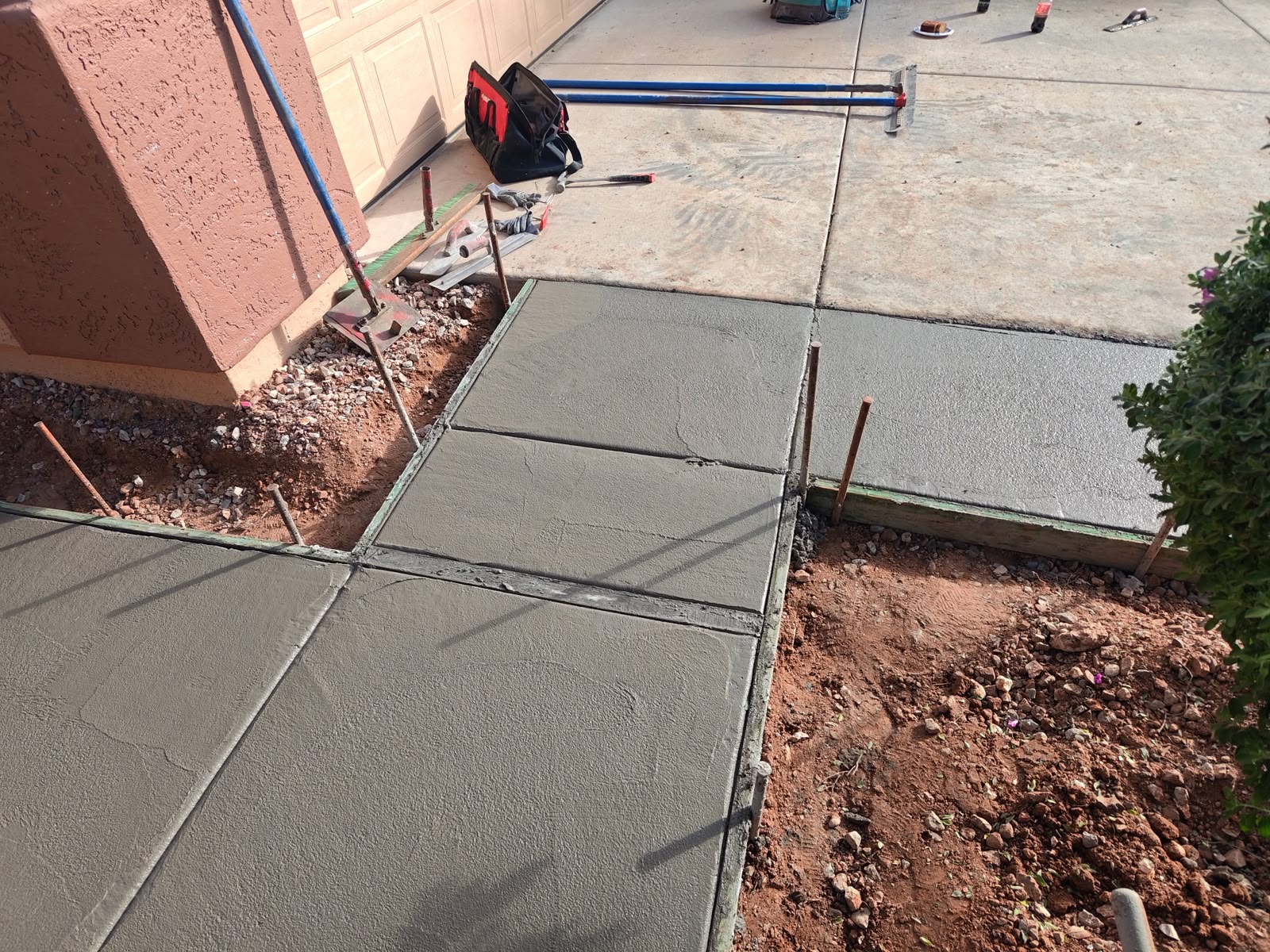
Concrete vs. Asphalt Driveways in Paradise Valley, AZ | AAE
Choosing between a concrete driveway and an asphalt driveway can affect more than the appearance of a home's entrance. The material influences maintenance needs, surface temperature, design options, and how the driveway performs under regular vehicle use. For homeowners in Paradise Valley, AZ, the decision also deserves consideration of the area's hot desert climate and the appearance of the surrounding property.
Both concrete and asphalt can provide functional driveway surfaces when they are designed and installed correctly. Asphalt generally has a lower initial installation cost and offers a flexible pavement surface, while concrete provides more finish options and can be a strong choice for homeowners who prioritize long-term durability and appearance.
For many Paradise Valley properties, concrete can be the better fit, particularly when the driveway needs to complement the home's exterior or accommodate a custom design. However, the right choice depends on the property, budget, site conditions, and any applicable local requirements.
What Is the Difference Between a Concrete and Asphalt Driveway?
Concrete and asphalt are both commonly used for driveways, but they behave differently and require different installation and maintenance approaches.
A concrete driveway is made by placing a concrete mixture over a prepared base and finishing it to the required dimensions, grade, and surface texture. The finished surface can be left with a conventional broom finish or customized with options such as exposed aggregate, integral color, or stamped patterns.
An asphalt driveway is constructed using an aggregate mixture bound together with asphalt binder. The material is placed and compacted to create a continuous, flexible pavement surface. Its appearance is generally darker and less customizable than decorative concrete.
The differences become more important when considering the property's expected vehicle traffic, sunlight exposure, maintenance preferences, and desired appearance.
How Does Arizona's Heat Affect Concrete and Asphalt Driveways?
Heat is an important consideration for driveway materials in Paradise Valley. Outdoor surfaces are exposed to direct sunlight for extended periods, and dark pavement can become particularly hot during summer afternoons.
Asphalt's dark surface absorbs substantial solar energy and can become softer in high temperatures. Under certain combinations of heat and vehicle loading, asphalt pavement may be more susceptible to surface deformation or rutting. The Arizona Department of Transportation discusses how dark asphalt surfaces heat more quickly and reach higher daytime temperatures than lighter concrete pavement in its winter storm management guidance.
Concrete generally offers a different thermal and structural response. Light-colored concrete reflects more sunlight than conventional dark asphalt, although the actual surface temperature depends on color, texture, exposure, and surrounding conditions. Concrete can also be finished in different shades and textures, giving homeowners more control over the driveway's appearance.
Neither material is immune to Arizona weather. Concrete still needs appropriate site preparation, joint placement, and curing, while asphalt requires suitable compaction and maintenance. The goal is to select a material and installation method that match the property's conditions.
Is Concrete More Durable Than Asphalt?
Concrete is often selected for projects where long service life and reduced routine maintenance are priorities. A properly designed and installed concrete driveway can remain functional for decades, although its performance depends on the supporting soil, drainage, concrete specifications, vehicle loads, and ongoing care.
Asphalt can also provide years of service, but it generally requires more frequent maintenance. Homeowners may need to monitor cracking, surface wear, and areas that develop softening or deformation. Periodic sealcoating is commonly recommended for asphalt driveways to help protect the surface from weathering and oxidation.
Concrete can develop cracks, surface deterioration, or settlement when the supporting conditions or construction details are inadequate. Unlike asphalt, however, concrete does not rely on a bituminous binder that can become softer as temperatures rise. That difference may be useful for properties exposed to intense summer heat.
A material's expected service life should not be treated as a guarantee. Installation quality and site conditions can make a substantial difference to either surface.
Which Driveway Material Requires More Maintenance?
Maintenance is another major factor when comparing concrete and asphalt. While neither material is maintenance-free, their routine care requirements are different.
Concrete Driveway Maintenance
Concrete generally requires regular cleaning and occasional attention to cracks, joints, stains, and surface wear. Decorative concrete may also benefit from a compatible sealer, depending on the finish and the homeowner's preferences.
Homeowners should remove oil and other stains when practical, avoid allowing water to collect around the driveway, and monitor any cracks that develop. If the driveway is sealed, the maintenance schedule should follow the product manufacturer's recommendations rather than an automatic annual or fixed schedule.
A concrete surface with a suitable finish and properly planned joints can provide a relatively low-maintenance driveway compared with a surface that needs frequent coating or resurfacing.
Asphalt Driveway Maintenance
Asphalt generally requires more regular surface maintenance. This can include sealcoating, crack treatment, and repairs to areas affected by wear or deformation.
The NerdWallet comparison of asphalt and concrete driveways describes asphalt as a lower-upfront-cost option that typically requires more maintenance, including periodic sealing. Actual maintenance timing depends on the pavement condition, product used, traffic, and local weather exposure.
For homeowners who prefer a surface that does not require as much recurring maintenance, concrete may be more appealing. Those who are comfortable with periodic asphalt care may still find asphalt suitable for their driveway.
Which Material Offers More Design Options for Paradise Valley Homes?
Appearance can be an important part of the decision, especially for properties where the driveway is a visible part of the home's overall exterior design.
Concrete offers a broader range of surface finishes and color options than conventional asphalt. Homeowners can choose from several approaches depending on the desired architectural style and project requirements.
Broom-Finished Concrete
A broom finish provides a straightforward textured surface. It is commonly used for practical driveway applications where a simple appearance and surface traction are priorities.
Exposed Aggregate Concrete
Exposed aggregate reveals selected stones within the concrete surface. This creates a decorative appearance that can complement natural materials, landscaping, and exterior finishes.
Stamped Concrete
Stamped concrete uses patterns and textures to create the appearance of materials such as stone or other decorative surfaces. It can be considered when the driveway is intended to make a stronger visual contribution to the property.
Colored Concrete
Integral color or other compatible coloring methods can help coordinate the driveway with the home's exterior. The color and sealer system should be selected with outdoor exposure and maintenance requirements in mind.
Asphalt has a more limited conventional appearance, usually retaining its dark, uniform surface. It may suit homeowners who prioritize a simple driveway with a lower initial cost over decorative flexibility.
Does Concrete Cost More Than Asphalt?
Concrete generally has a higher initial installation cost than asphalt, but the comparison should account for more than the first estimate. The size of the driveway, site preparation, materials, finish, demolition, and access conditions all affect pricing.
AAE's published 2026 planning ranges for concrete driveways in the Phoenix metropolitan area are:
Concrete Driveway Type | AAE's Published Planning Range |
Standard broom finish | 6–9 per sq. ft. |
Exposed aggregate | 8–12 per sq. ft. |
Stamped concrete | 12–18 per sq. ft. |
Colored concrete | 10–15 per sq. ft. |
For a 400-square-foot standard broom-finished driveway, AAE's published range works out to approximately 2,400–3,600 before any additional project-specific costs. A decorative finish may increase the budget, and replacing an existing driveway may involve demolition and hauling.
These are AAE's published 2026 planning ranges, not confirmed 2027 prices or a quote for a Paradise Valley property. A site-specific estimate is necessary to account for the actual dimensions, finish, access, soil, drainage, and construction requirements.
Asphalt may be less expensive initially, but homeowners should also consider its recurring sealcoating and repair needs. The more useful comparison is the total cost of installation and maintenance over the period the homeowner expects to use the driveway.
What Should Paradise Valley Homeowners Consider Before Choosing a Driveway?
The best material for a driveway depends on how the property will use it and what the finished surface needs to accomplish.
Homeowners should consider the following factors before selecting concrete or asphalt:
Vehicle use: Determine whether the driveway will primarily accommodate passenger vehicles or also support heavier vehicles and equipment.
Appearance: Consider how the driveway will complement the home's architecture, exterior materials, landscaping, and entry design.
Maintenance preferences: Decide whether periodic asphalt sealcoating or the maintenance needs of concrete better fit the household.
Site conditions: Evaluate the slope, soil support, drainage, driveway layout, and access for construction equipment.
Long-term plans: Consider whether the property owner prioritizes lower initial installation cost, decorative options, or long-term surface performance.
The decision should be made before construction begins because the material affects the installation process, preparation requirements, and finished appearance.
Are There Driveway Design or Permit Requirements in Paradise Valley?
Homeowners should check applicable town requirements before starting driveway construction, particularly when the work affects a public right-of-way, hillside property, or an existing access point.
The Town of Paradise Valley states that a right-of-way or engineering permit is required when work takes place within Town-owned right-of-way. The Town specifically includes driveway and sidewalk work among the activities that may require this permit. Property owners can review the official Paradise Valley Permits and Handouts page for current application information.
Certain hillside properties may also have additional driveway design considerations. The Town's Hillside Application Packet requests information about driveway material, color, grade, width, and related site details. These requirements should not be assumed to apply identically to every property in Paradise Valley.
Before choosing a material, confirm the requirements for the specific parcel and proposed work with the Town's Community Development or Engineering staff. Homeowners should also review applicable property restrictions and HOA requirements where relevant.
Why Consider Ares & Eros Contracting for a Concrete Driveway?
Ares & Eros Contracting provides concrete construction services for residential, commercial, and municipal projects throughout Arizona. Its services include concrete driveway installation, patios, slabs, sidewalks, curbs and gutters, and other concrete applications.
AAE's driveway installation process includes reviewing existing site conditions, evaluating soil and drainage, preparing the sub-base, placing reinforcement as required, pouring and finishing the concrete, and protecting the surface during curing. These steps are important because the finished driveway depends on more than the visible concrete surface.
The company lists Arizona contractor license number ROC363389 CR-9 and identifies itself as licensed, bonded, and insured. Homeowners can learn more about its concrete driveway installation services in Arizona or review its broader concrete construction services.
Choosing the Right Driveway Material for Your Paradise Valley Home
For many Paradise Valley homeowners, concrete is an attractive choice because it offers decorative flexibility, a lighter range of surface colors, and a strong option for long-term driveway use. Asphalt may remain appropriate for homeowners who prioritize a lower initial installation cost and prefer a simpler surface.
The better choice depends on the home's design, the property's site conditions, maintenance expectations, and applicable Town requirements. Comparing the materials based on these factors can help homeowners make a decision that fits both the property and their long-term plans.
Frequently Asked Questions About Concrete and Asphalt Driveways in Paradise Valley
Does asphalt become soft during Paradise Valley summers?
Asphalt can soften in high temperatures, particularly when the surface is exposed to intense sunlight and vehicle loading. The degree of softening depends on the asphalt mixture, pavement condition, temperature, and use. This is one reason homeowners in hot climates often consider concrete as an alternative.
Can a concrete driveway be customized to match my home's exterior?
Yes. Concrete can be finished in different textures and colors, including broom finish, exposed aggregate, stamped patterns, and integral color. The available options should be selected based on the desired appearance, surface use, and maintenance requirements.
Is asphalt easier to repair than concrete?
Asphalt repairs can often be completed through patching or resurfacing, depending on the damage. Concrete repairs can be more difficult to blend with the surrounding surface, especially when the driveway has decorative color or patterns. The appropriate repair method depends on the condition and extent of the damage.
Does concrete require sealant in Arizona?
Not every concrete driveway requires the same sealer or sealing schedule. A compatible sealer may be useful for certain decorative or colored surfaces, but product selection depends on the concrete finish and intended protection. Homeowners should follow the manufacturer's application and maintenance instructions.
Can I replace an asphalt driveway with concrete?
In many cases, an existing asphalt driveway can be removed and replaced with concrete. The contractor should evaluate the existing pavement, supporting base, drainage, access, and required driveway design before determining the appropriate installation method.
Is a concrete driveway always more expensive over its lifetime?
Not necessarily. Concrete often costs more initially, while asphalt may require more frequent maintenance. The long-term cost depends on the installation price, material performance, maintenance schedule, repair needs, and expected service period.
Do I need approval before changing my driveway material in Paradise Valley?
It depends on the property's location and the scope of work. Work within Town-owned right-of-way requires the applicable right-of-way or engineering permit. Certain hillside properties may also have additional design and review requirements. Confirm the rules for your specific parcel before construction.
Request a Concrete Driveway Estimate in Paradise Valley, AZ
Selecting a driveway material is an important decision for your home's appearance, accessibility, and long-term maintenance. Concrete and asphalt each have advantages, but the right option should reflect the property's conditions and the homeowner's priorities.
Ares & Eros Contracting provides concrete driveway construction services for Arizona properties. Considering a concrete driveway for your Paradise Valley home? Contact AAE Contracting to discuss your project and request a site-specific estimate.


Our team is here to answer your questions and help you get started on turning your vision into reality.
With years of experience, we turn complex concrete construction challenges into seamless solutions tailored to your project goals.
ROC363389 CR-9
Licensed. Insured. Bonded.
Menu
Address


© 2026. Ares and Eros Contracting. All Rights Reserved.